


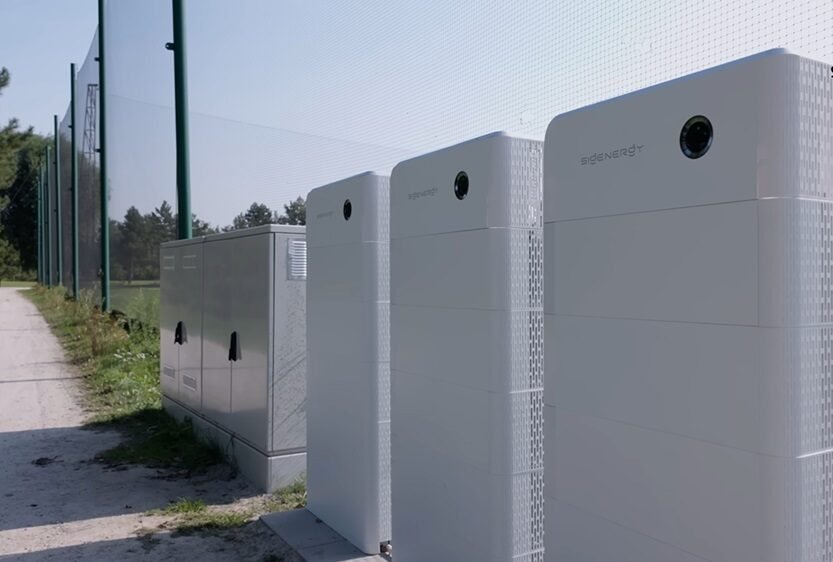
Installing rooftop solar is often the first step toward reducing a household’s reliance on grid electricity, but it does not always answer every energy need. A homeowner comparing a Residential solar company should think not only about how much solar can be generated during the day, but also about what happens to electricity use after sunset. For some households, battery storage may eventually become a useful second stage. For others, solar alone may remain the more practical option.
The right decision depends on consumption patterns, budget, future appliances and what the household wants from its energy system.
Start by Understanding Daytime Solar Use
A solar system produces electricity while sunlight is available. When the household is using electricity at the same time, that energy can be consumed directly.
Homes with people working remotely, pool pumps, electric hot-water systems or appliances scheduled during the day may naturally use a larger share of their generation.
Other households may export a greater portion because most occupants are away during daylight hours.
Understanding this difference is important before deciding whether additional storage is necessary.
Look at What Happens After Sunset
Evening electricity use can be substantial.
Cooking, air conditioning, televisions, lighting and other appliances often operate when rooftop solar is producing little or no electricity. If a household imports significant electricity each evening while exporting excess solar earlier in the day, storage may become worth investigating.
People comparing battery storage systems sydney should therefore examine their actual usage pattern rather than assuming that installing a battery automatically creates the best outcome.
The amount and timing of electricity imported from the grid can provide useful context.
Decide What You Want a Battery to Achieve
Different homeowners consider batteries for different reasons.
Some want to use more of their own solar generation in the evening. Others are interested in backup capability, energy management or preparing the home for greater electrification.
Before comparing products, it can help to define the main objective.
Useful questions include:
-
Is evening grid consumption consistently high?
-
Is backup during outages important?
-
Will electricity demand increase soon?
-
Is an EV likely to be added?
-
Does the household want to shift more solar generation into later hours?
Clear priorities make it easier to assess whether storage is solving a real household need.
Consider Installing Solar First
A battery does not always need to be installed at the same time as rooftop solar.
Some homeowners choose solar first and then monitor performance for several months. This can provide real information about daily generation, exports and evening imports.
That data may help determine whether storage is likely to be useful and what capacity would be appropriate.
However, homeowners who expect to add a battery later should mention that during the original solar design so equipment compatibility and future installation space can be considered.
Think About Future Electricity Demand
A household’s energy profile may look very different several years after the solar system is installed.
An electric vehicle could create a new charging load. Replacing gas cooking with induction or installing heat-pump hot water can also increase electricity use.
Additional air conditioning, a pool or a home extension may change consumption further.
These changes do not automatically make a battery necessary, but they should be part of longer-term planning because they can alter when the household needs energy.
Be Realistic About Backup Power
Some homeowners assume that any battery will keep the entire property operating normally during a blackout.
Backup capability depends on the equipment selected, how the system is configured and which circuits are supported.
A household that wants refrigeration, lighting and communications to remain available has different requirements from one expecting air conditioning, cooking equipment and other high-demand appliances to operate during an outage.
Backup expectations should therefore be discussed clearly before equipment is selected.
Compare More Than Battery Capacity
Battery size is important, but it is only one part of the decision. Homeowners should also consider compatibility with the existing solar system, usable capacity, installation requirements, monitoring features, warranties and the scope of electrical work.
The proposed installation location matters as well. Batteries need to be installed in suitable locations in accordance with applicable requirements, so homeowners should not assume that any spare wall or garage area will be appropriate.
A clear proposal should explain these practical considerations rather than focusing only on a headline storage figure.
Conclusion
Battery storage can be a valuable addition to residential solar, but it should be considered in the context of the household’s actual energy behaviour. Daytime solar use, evening imports, future appliances, backup expectations and equipment compatibility can all influence whether storage makes sense and when it should be installed. Some homeowners may benefit from adding a battery immediately, while others may prefer to monitor their solar system first and make the decision later. Planning for storage early, even when the purchase is postponed, can preserve flexibility and help the household build an energy setup that develops logically as its needs change.